
DAS Academies — Founding Charter
Mobility should enable opportunity.
Not determine who can access it.
Six commitments that define how DAS Academies educates, governs and remains accountable.
Mobility affects where people can learn.
Where they can work.
And how fully they can participate in their communities.
That makes mobility an education issue.
A road-safety issue. An employment issue. And, for many communities, an issue of social and economic opportunity.
DAS Academies bring education, industry, public bodies, road-safety specialists and communities together around a shared purpose: Lifelong Safe Mobility.
01The Learner Comes First
Every decision should begin with the person it is intended to serve.
DAS exists for learners. Technology, standards, partnerships, facilities and governance only have value where they improve the experience, development or opportunities available to the individual.
- Technology has value when it improves learning.
- Standards have value when they improve opportunity.
- Partnerships have value when they improve outcomes.
What practical difference will this make to the learner?

02Lifelong Safe Mobility
Learning to drive is a milestone.
Learning to move safely and responsibly is lifelong.
Safe mobility develops through knowledge, judgement, awareness, behaviour and experience. It requires people to understand not only how to control a vehicle, but how their decisions affect everyone around them.
The licence matters.
The person behind it matters more.
- Responsibility
- Judgement
- Risk Awareness
- Safe Decision-Making
- Independence
- Employment Readiness
- Lifelong Development
03Education Before Test Preparation
A test measures a moment.
Education prepares someone for what follows.
Theory and practical tests are important — but they are not the whole purpose of driver education. Our responsibility is to develop learners who can think, recognise risk, make responsible decisions, reflect upon experience and understand the consequences of their actions.
- Digital LearningOnline resources and adaptive content
- Immersive LearningExperiential and scenario-based education
- SimulationRisk-free practice of real-world situations
- Tutor-Led LearningProfessional educator guidance and judgement
- ReflectionUnderstanding and learning from experience
- Practical ExperienceReal-world application and development
Technology supports education.
It does not replace the educator.
04A Common National Standard
Where a learner lives should not determine the quality of education available to them.
Participating educational establishments retain their own expertise, staff, communities and local knowledge. DAS provides the common framework, learning standards, approved resources, technology and quality requirements that connect them.
- National consistencyCommon standards and educational integrity
- Local responsibilityExpertise, community and place
- Deliver
- Measure
- Learn
- Improve
A national standard should provide certainty without preventing progress.
05Collaborative Governance
Different perspectives.
Shared responsibility.
Common purpose.
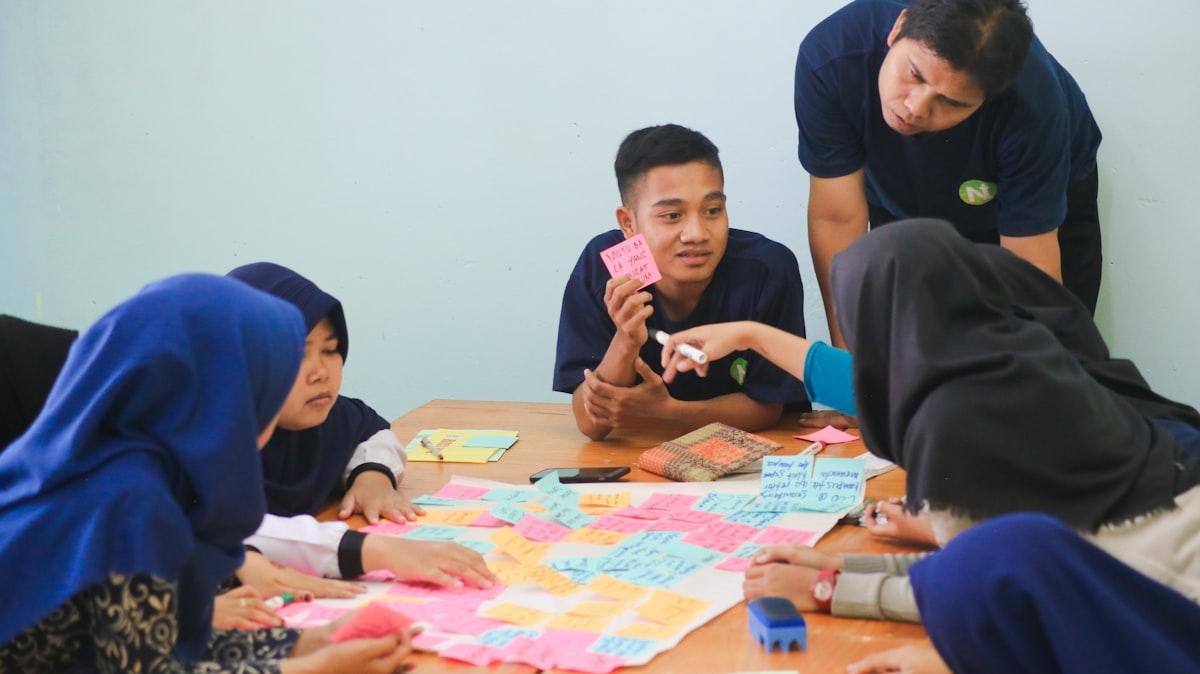
DAS was not developed by one organisation working in isolation. Its direction has been informed through collaboration with people from Further Education, industry, major employers, Local and Combined Authorities, road safety, skills and workforce development.
- Questions should be welcomed.
- Assumptions should be capable of challenge.
- Decisions should be explainable.
Good governance does not remove disagreement.It gives disagreement somewhere useful to go.
Learner & Community
The shared purpose at the centre of the DAS model
- Education FE colleges and educational specialists
- Industry Employers and workforce leaders
- Places Local Authorities and Combined Authorities
- Road Safety Specialists, practitioners and campaigners
- Communities Learners and the people the Scheme serves
06Public Accountability
Public purpose requires more than good intentions.
It requires evidence that something is working.
- Who benefits?
- Who participates?
- Who is accountable?
- What practical difference has been made?
Categories of evidence
- Learner progression
- Participation rates
- Accessibility
- Educational achievement
- Employment readiness
- Employer feedback
- Road-safety learning
- Outcome differences
- Delivery improvements
Evidence should inform decisions.
Not simply justify decisions already made.
Accountability is how trust is earned.
Governance & Stewardship
DAS CARD CIC
DAS CARD CIC provides stewardship and governance in support of the public-benefit objectives of DAS Academies and the integrity of the DAS National Framework. Stewardship and ownership are separate.
Protect the Standard
Safeguard educational standards and the integrity of the DAS National Framework.
Support Consistency
Ensure the Framework operates coherently across all participating establishments.
Maintain Accountability
Manage conflicts transparently and ensure the Scheme remains directed towards its public purpose.
Our Founding Commitment
- To put learners first.
- To advance Lifelong Safe Mobility.
- To treat driver education as education, not simply test preparation.
- To maintain a high and consistent national standard.
- To govern through different perspectives and shared responsibility.
- To remain accountable for the difference DAS makes.
Mobility creates opportunity.
Our purpose is to help ensure that opportunity is within reach of the communities we serve.